Best Backpacking Sleeping Bag: What to Check Before You Choose
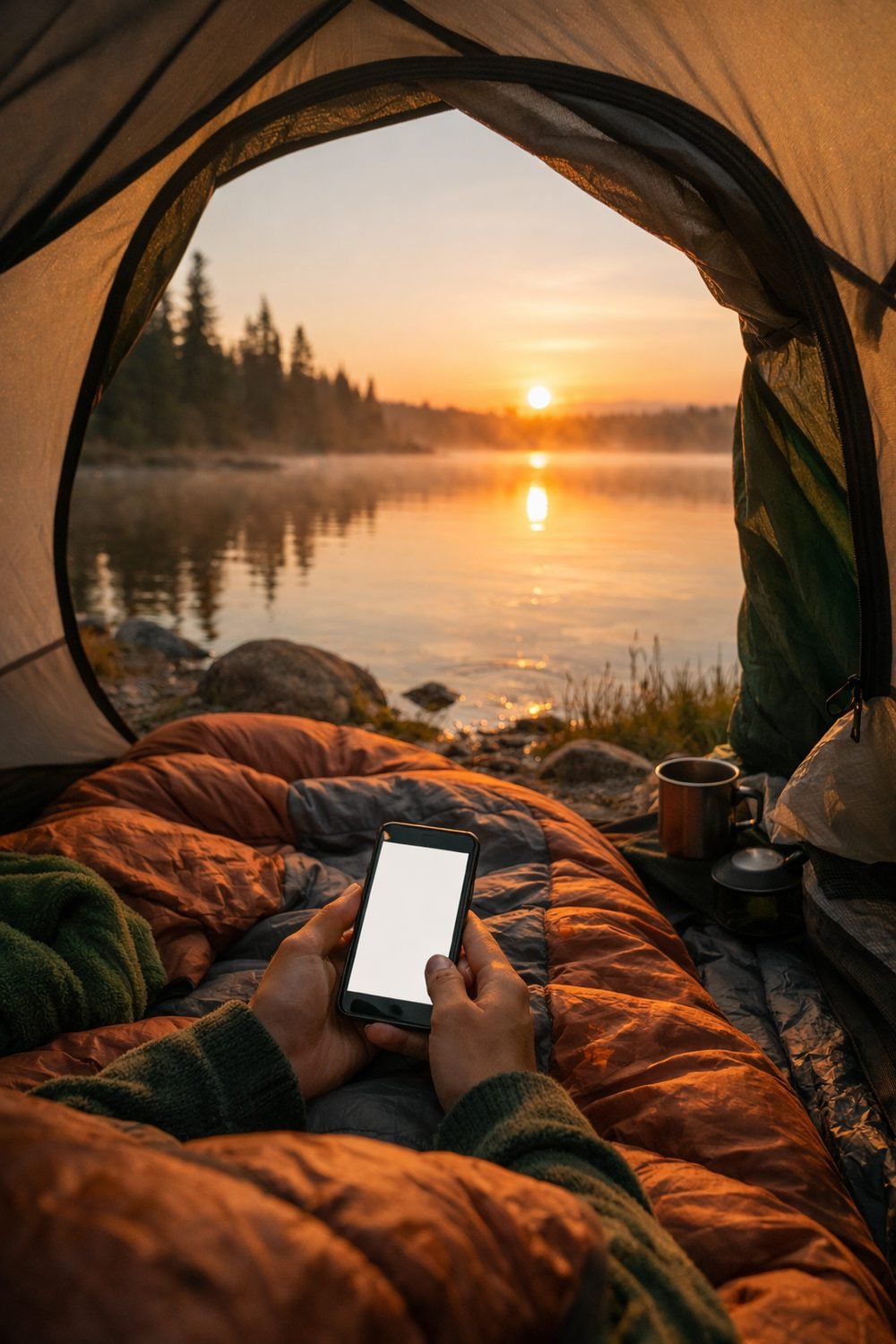
Finding the best backpacking sleeping bag sounds simple until you're staring at a dozen listings that all claim to be warm, light and comfy. A bag can feel cozy in a living room and still be miserable on a breezy ridge in early fall, leaving you curled up in your rain jacket for half the night.
So here's what I actually check now, in the order I check it. This post won't tell you which brand to buy. It covers what to look for so you can read any product page and know if a bag will work for you.
Short on time? Our top picks: REI Co-op, Sea to Summit, Big Agnes and Nemo Equipment. See all picks
1. Read the Temperature Rating the Way the Seller Means It
This is the number everyone looks at first, and it's also the one people misread most. A bag might say "20°F" in big letters, but that number can mean different things depending on who made it. Some sellers list a comfort rating. Others list a lower limit, which is closer to "you'll survive, but you won't sleep well."
Scroll down and find out how the seller defines it. If they mention a standard test, see which number they're showing you. If they don't explain it at all, I'd treat the rating as a rough guess, not a promise.
Also, people sleep differently. If you or your partner runs cold, pick a bag rated well below the coldest night you expect. If you run warm, you can often get away with less. Be honest with yourself about which one you are.
Practical tip: Check the usual nighttime lows where you plan to camp, then pick a bag rated somewhat colder than that. A bag that's a little too warm can be unzipped. A bag that's too cold just makes for a long night.
2. Pick a Backpacking Sleeping Bag Shape You Can Actually Sleep In
Mummy bags taper toward your feet and usually have a snug hood. Less empty space means less air for your body to heat, so they tend to be warmer for their weight. Rectangular bags are roomier and feel more like a bed, but they're often bulkier and let more heat escape.
There are in-between shapes too, sometimes called semi-rectangular or relaxed mummy. If you're a side sleeper or you move around a lot, these can be a nice middle ground.
Mummy bags can feel confining at first, and some people feel trapped in them. Tossing and turning can leave you waking up tangled. It took a few trips before I got used to it, and some people never do. That's fine. A slightly heavier bag you sleep well in beats a light one you hate.
Practical tip: If you can, climb into a bag at a store such as REI Co-op and roll onto your side. Then bend your knees. If that feels cramped, try a roomier cut.
3. Down Sleeping Bag or Synthetic Fill
The fill is what traps your body heat. Most bags use either down (soft feathers from ducks or geese) or synthetic fibers. Go by what the listing actually says, not by how fluffy the photos look.
Down is usually lighter and packs smaller for the same warmth. The big catch is that it loses much of its warmth when it gets wet. Some down is treated to handle moisture better, and the seller's page should say if it is. Synthetic fill, like the kind you will see in bags from Kelty, tends to cost less, keeps more of its warmth when damp, and is easier to wash. It's also usually heavier and bulkier.
If you camp in damp, rainy places, synthetic is worth a hard look. For dry trips where every ounce counts, down makes a lot of sense.
Practical tip: For down bags, look for the fill power number on the listing. Higher usually means more loft for the weight. Compare it between bags rather than reading too much into it alone.
4. Check the Compressed Pack Size
This is where a lot of "backpacking" bags quietly fall short. Some pack down small. Others turn into a lumpy log that eats half your pack.
If you want the best lightweight sleeping bag for backpacking, look for the packed or compressed size on the listing, usually given as length and width. Then measure the sleeping bag spot in your own backpack. Keep a note on your phone with your pack's bottom compartment size, which saves you from guessing every time you shop.
One thing that's a bit overrated: tiny compression sacks. Cranking a bag down super small every trip isn't great for it over time, and it's a pain to stuff at 6 a.m. with cold hands. A slightly bigger stuff sack is usually fine.
Practical tip: Check whether a stuff sack or compression sack comes with the bag. If not, add that to your budget.
5. Look at the Listed Weight (and Be Realistic)
Every ounce on your back adds up by mile eight, so a lightweight sleeping bag can make a real difference. That said, I think people sometimes chase ultralight numbers a little too hard and end up cold or broke.
Check the listed weight and see whether it includes the stuff sack. Some listings give a "minimum weight" without extras, so read closely. Compare bags with similar temperature ratings, because a summer sleeping bag will almost always weigh less than a winter sleeping bag.
If you're planning out a trip and want to see how your whole kit adds up, the Workout and Hiking Planner and Checklist Bundle below this post has pages for that. Writing down gear weights before a trip is useful because it shows you fast where the heavy stuff is hiding.
Practical tip: Weigh the bag yourself at home when it arrives. A basic kitchen or luggage scale works, and you'll know your real numbers for future trips.
6. Match the Length to Your Height
Many bags come in regular and long sizes, and some offer short or women's versions. The listing will usually give a maximum height the bag fits.
Too short and your feet press against the end, which squishes the fill and makes cold spots. Way too long and you've got extra space your body has to heat. If you're right on the edge of regular and long, going long is usually the safer choice. Extra room at the bottom lets you stash a water bottle or tomorrow's socks so they're not frozen in the morning.
Practical tip: If you're close to the max height, size up. A few extra inches is much easier to live with than cramped toes.
Quick side note: if you're getting back into shape before trail season, you can grab our free 1-Week Beginner Workout Routine Planner Page by joining the email list.
7. Don't Forget the Small Features
These details don't show up in the headline specs, but you'll notice them on night two.
- Zipper: Does it snag? Is there a draft tube (a padded strip behind the zipper) to block cold air?
- Hood: A hood with a drawcord helps a lot on cold nights. Check if it closes without choking you.
- Draft collar: A padded ring around the shoulders keeps warm air from puffing out every time you move.
- Zipper side: Some bags come in left or right zip. This matters if you plan to zip two bags together into a double sleeping bag.
- Storage sack: A big, loose storage bag for home is a nice extra. Keeping a bag compressed for months can flatten the fill.
None of these will make or break a bag alone. Together, they're the difference between "fine" and "I actually slept."
Practical tip: Read a handful of buyer reviews just for zipper complaints. If many people mention snags, take that seriously.
8. Think About Your Sleeping Pad Too
This one surprises many people when they start. A sleeping bag's fill gets crushed under your body, so the ground pulls heat right out of you. Your pad does a big share of keeping you warm from below.
Pads often list an R-value, which tells you how well they insulate. A warm bag on a thin summer pad can still leave you cold on a chilly night. Skipping this can leave you shivering in a bag that should have been plenty warm.
Practical tip: Shop for your bag and pad together, or at least check that your current pad suits the season you're buying the bag for.
Backpacking Sleeping Bags Worth a Look
These are well-known brands that make bags for hikers and backpackers. These aren't ranked, and the right one depends on your trips, your budget and how you sleep.
REI Co-op
A good starting point for newer backpackers who want several bag styles from one store. Check how each listing defines its temperature rating before comparing bags.
Sea to Summit
Suits people who care about packed size and want to look at both bags and liners. Check the fit and cut against how you sleep, since some shapes run snug.
Big Agnes
Known for bags that pair with sleeping pads, which can suit side sleepers and restless sleepers. Check that the pad system works with the pad you already own.
Nemo Equipment
A fit for people who want a roomier shape than a classic mummy. Look at the listed shoulder and hip room, and see whether the cut feels right for you.
Marmot
Worth a look if you want a wide range of temperature ratings, from summer bags to colder-weather options. Read the listing to see whether the fill is down or synthetic.
Western Mountaineering
Suits backpackers who lean toward down and want a bag built for light, cold-weather trips. Check the fill details and expect to compare cost carefully.
Kelty
A reasonable place to look if you want synthetic bags for damp trips or tighter budgets. Check the packed size and weight, since synthetic bags are often bulkier.
Check current plans and prices on each brand's own site before you buy.
FAQ
Can I use one sleeping bag for every season?
Some people do, especially with a mid-range bag they can unzip when the weather is warm. But a single bag rarely feels great in both July heat and late-fall cold. Many backpackers end up with a lighter summer bag and a warmer one for shoulder seasons.
Is a sleeping bag liner worth it for backpacking?
A liner can keep your bag cleaner and add a little warmth, depending on the material. Check the liner's product page to see what it claims. One is worth considering mostly because it means you wash your bag less often.
How should I store my sleeping bag at home?
Most makers suggest storing it loose in a big breathable sack or hanging it, not crammed in its stuff sack. Follow the care label on your bag, since down and synthetic can have different instructions.
Do I need a special bag for camping out of my car, or can I use my backpacking sleeping bags?
Not really. Car campers can go heavier and roomier since you're not carrying it. A backpacking bag works fine for car camping and is one of the best sleeping bags for camping of any kind, but a big rectangular car-camping bag usually won't work well in a backpack.
Before You Buy
If you take one thing from this, let it be this: read the rating carefully, then check size and weight against your own pack and your own body. That alone will rule out most of the wrong choices. Start by joining the email list to get the free 1-Week Beginner Workout Routine Planner Page so you're trail-ready, then take a look at the Workout and Hiking Planner and Checklist Bundle below this post to map out your gear before your next trip.
Printables and tools that can help
Home-Gym Equipment Buyer's Guide and Comparison Sheets
A printable guide and comparison sheets to write down what matters to you before you look at any seller...
See detailsWorkout and Hiking Planner and Checklist Bundle
A printable bundle with a 30-day goal page, weekly planner and checklists for beginners in fitness and...
See details