Best Dumbbell Set: Beginner Checklist
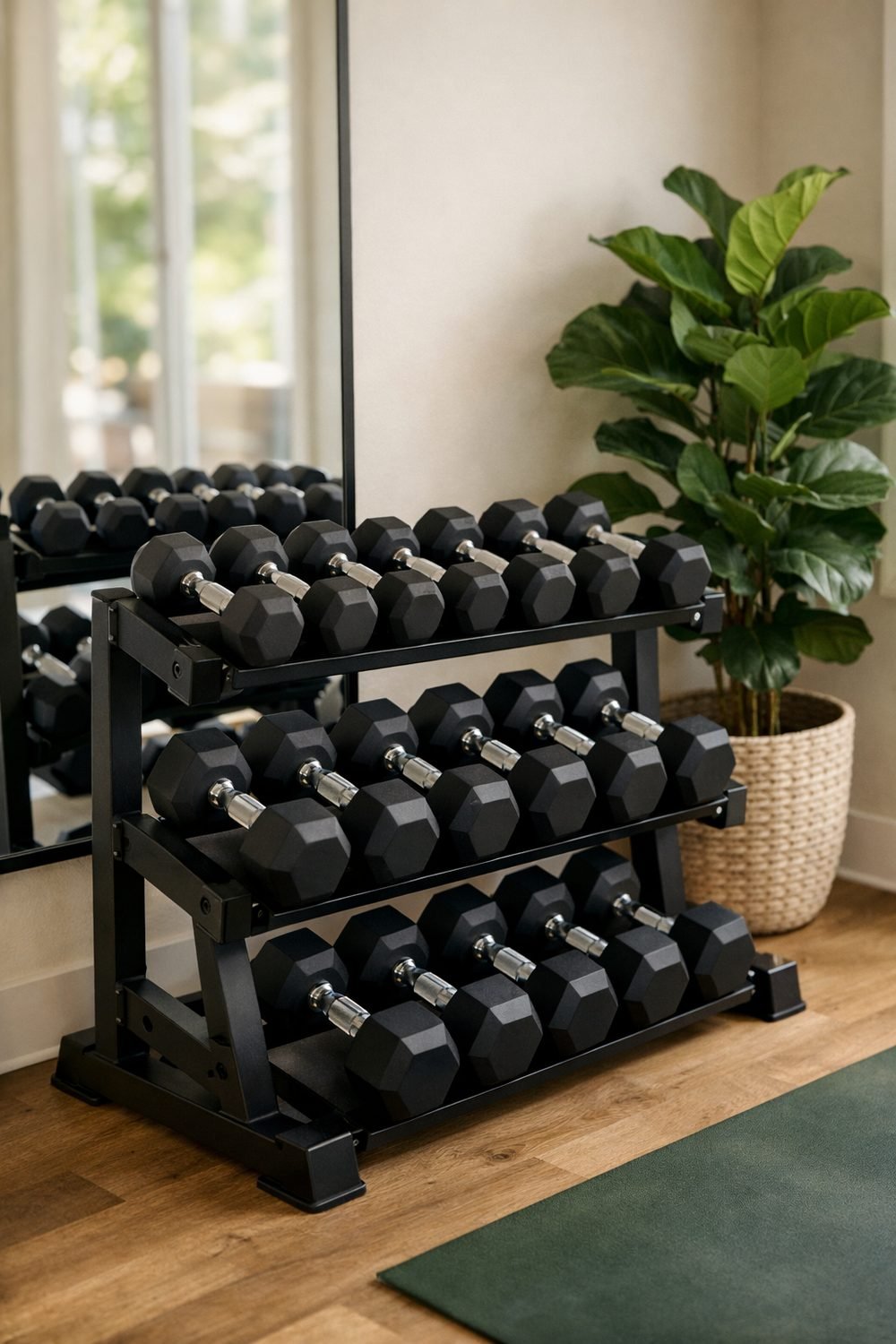
Finding the best dumbbell set feels like a simple buy until you're standing in your living room with a box that weighs more than your suitcase and no idea where to put it. Plenty of beginners end up in this spot. A cheap set of fixed weights is easy to outgrow within a couple of months, and it can end up unused in a closet.
So before you click "buy," run through this checklist. It's the stuff I wish someone had told me, written for beginners who want a home dumbbell set they'll actually keep using.
Short on time? Our top picks: Bowflex SelectTech, PowerBlock, NordicTrack and CAP Barbell. See all picks
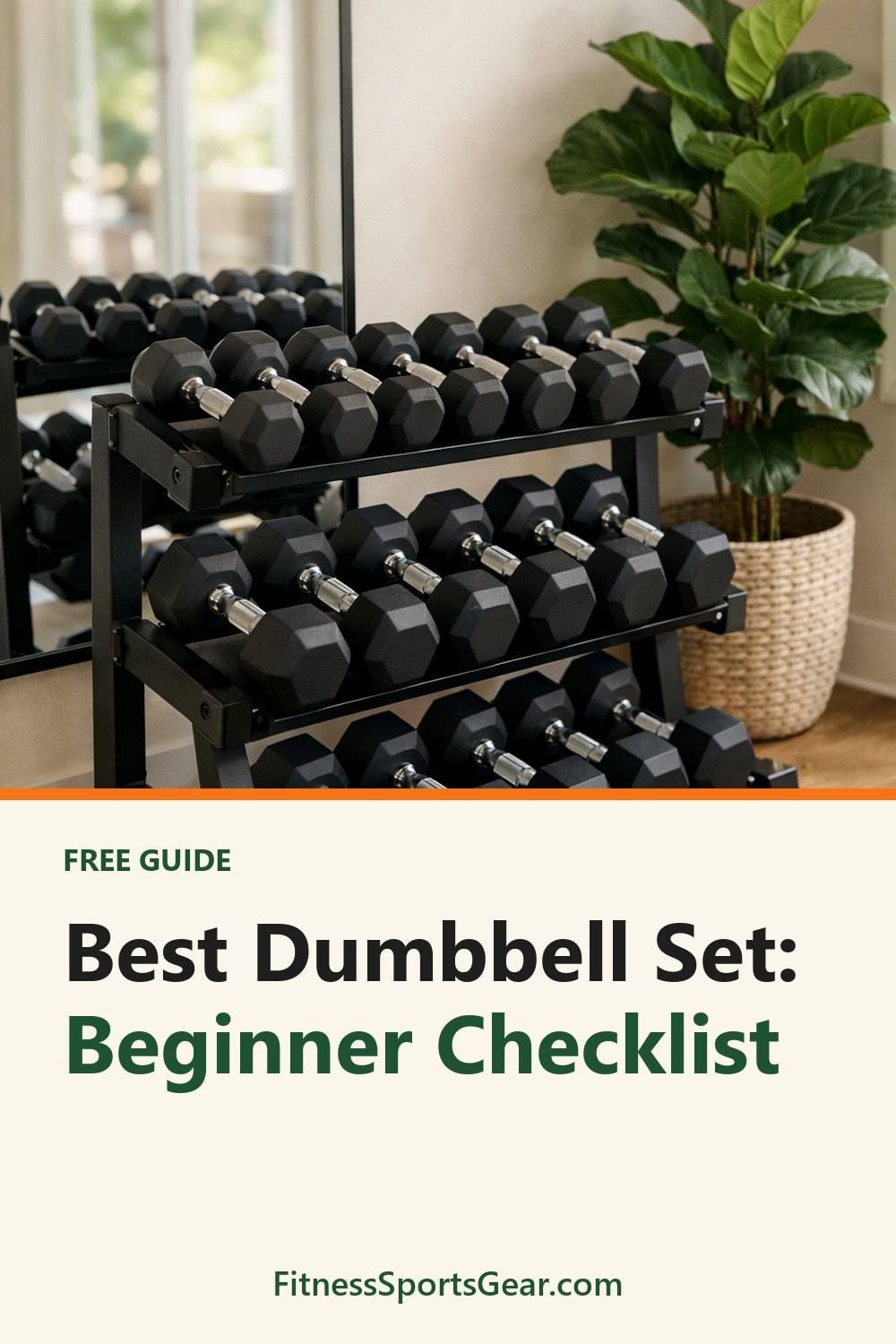
1. Pick a Dumbbell Weight Set You Can Grow Into
This is the big one. When you start out, light weights feel just right. Then a few weeks in, your body adapts and those same weights start to feel easy for things like rows or squats. If your set tops out too low, you're stuck buying again.
Think about the moves you'll do. Arm work like curls and lateral raises usually needs lighter weights. Leg and back moves like goblet squats, lunges and rows often need heavier ones. A good beginner set covers both ends, not just the middle.
Practical tip: Look at the heaviest weight in the set and ask yourself if you could see yourself using it for squats in six months. If the answer is "no way, too light," keep looking.
2. Decide Between Adjustable and Fixed Dumbbells
Here's the trade-off in plain terms. Fixed dumbbells are one weight each. They're simple, tough, and you just grab and go. But a full dumbbell set in fixed pairs takes up a lot of floor space and usually costs more overall.
Adjustable dumbbells, like Bowflex SelectTech, let you change the weight on one handle. Some use a dial, some use pins, and some use plates and collars you screw on. They save a ton of space. The downside is that changing weights takes a few seconds, and some designs feel a bit clunky or longer than a regular dumbbell.
Honestly? For most people in a small space, I'd lean adjustable. But if you hate fiddling with things mid-workout, a small dumbbell set of fixed pairs might keep you happier.
Practical tip: If you go adjustable, check how the weight changes. Plate-and-collar types are often cheaper but slower. Dial types are quick, but check the seller's page for how they hold up and what the handle length is.
3. Check the Grip Before You Commit
You'll hold these things a lot, so the handle matters more than people think. A slippery handle is annoying at best and unsafe at worst, especially once your hands get sweaty.
Most handles have some kind of texture, called knurling. Light knurling feels comfy. Heavy knurling grips better but can rub your palms raw if you're not used to it. Rubber or foam grips are softer but can wear down over time.
Handle thickness matters too. If you have smaller hands, a very thick handle can make your grip give out before your muscles do.
Practical tip: If you can, hold one in a store first. If you're buying online, read the product details for handle diameter and texture, and look for buyer photos that show the grip up close.
4. Plan Where They'll Live
Nobody gets excited about storage. But dumbbells left on the floor become tripping hazards, toe crushers, and a mess that makes you not want to work out at all. Keep your dumbbells stored out of walkways, since a stubbed toe on a light weight early in the morning is an easy mistake. Not fun.
Some sets come with a rack or stand, like a hex dumbbell set with rack. Others don't, and you'll need to buy one. A vertical rack saves floor space, while a flat tray is cheap but takes up more room, so a dumbbell weight set with rack can be a tidy pick. Adjustable sets often sit in their own base, which is handy.
Practical tip: Measure the spot where you'll keep them before you order. Write down width and depth, and compare it to the listed size of the set plus its stand.
If you want help planning your first week of workouts with your new set, I've got a free 1-Week Beginner Workout Routine Planner Page you can grab by joining the email list.
5. Protect Your Floor (and Your Downstairs Neighbors)
Dumbbells get dropped. Maybe not on purpose, but it happens, usually at the end of a tough set when your arms just quit. Hardwood dents, tiles crack, and people below you hear everything.
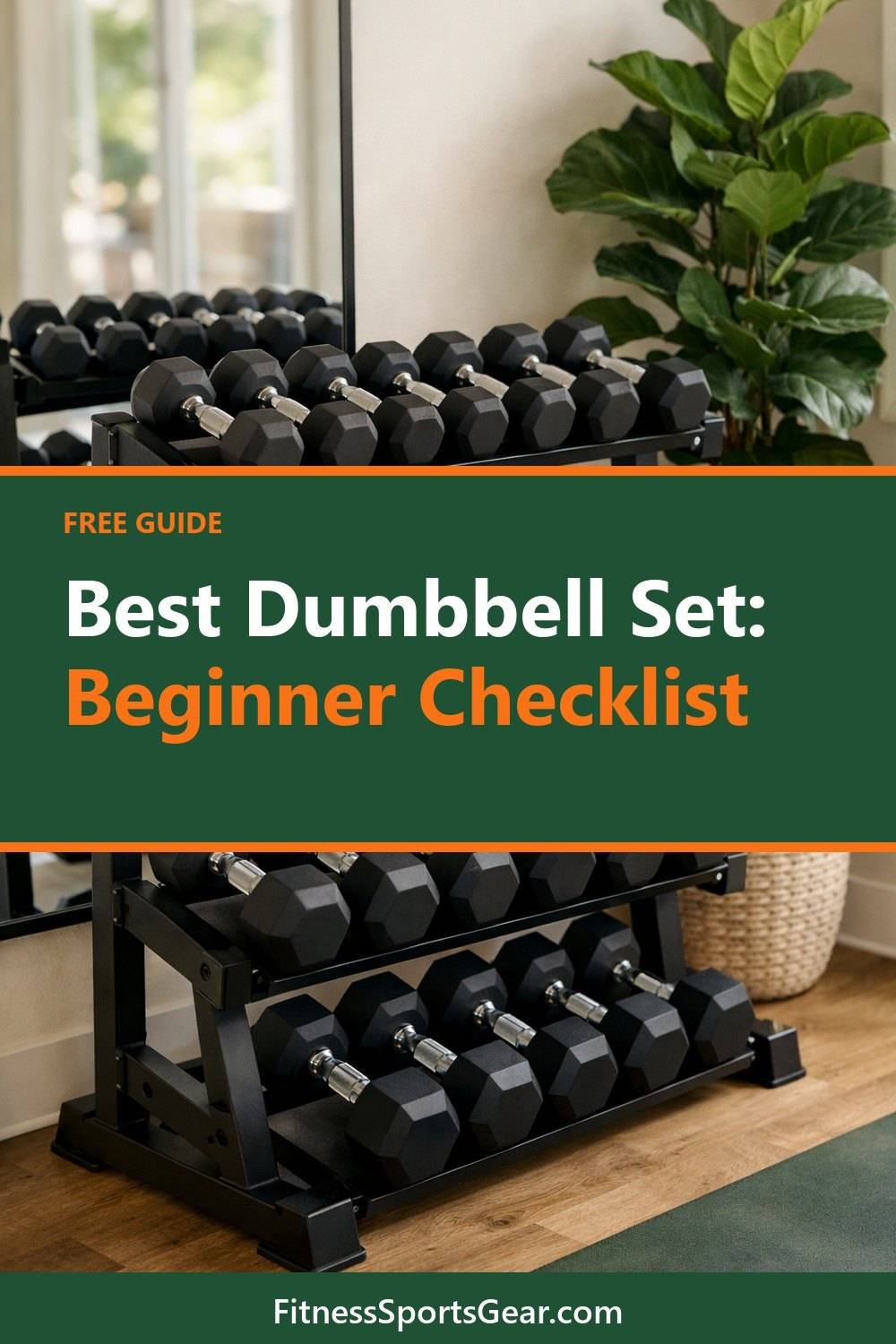
A rubber mat, such as flooring from Rubber Flooring Inc, is the easy fix. Puzzle-piece foam tiles are fine for light use, but they can tear under heavy weights. Thicker rubber mats handle drops better and don't slide around as much.
Rubber-coated hex dumbbells are also gentler on floors than bare metal ones. Some coatings have a smell when new, so you might want to air them out on a balcony for a day or two.
Practical tip: Get a mat big enough for your whole workout area, not just the spot where the dumbbells sit. You'll set them down all over the place.
6. Think About How You'll Actually Use Them
This one sounds obvious, but it's easy to skip. Are you doing slow strength work? Quick circuits? Following videos? Your style changes what kind of set makes sense.
If you like fast workouts where you switch weights a lot, slow-changing adjustable dumbbells will drive you nuts. If you mostly do a few steady exercises, changing weight between them is no big deal.
Practical tip: Write down three or four exercises you plan to do every week. Then picture doing them with the set you're eyeing. If anything feels awkward, that's your sign.
7. Read the Return Terms Carefully
This is the part people forget. Dumbbells are heavy. Shipping them back can be expensive, and some sellers charge restocking fees or don't accept returns once the box is opened.
Before you buy, check who pays return shipping, how long the return window is, and what happens if something arrives damaged. Also look at the warranty. Some cover parts like dials or locking pins, which are the bits most likely to break on adjustable sets.
Practical tip: Open the box carefully and keep all the packaging for the first couple of weeks. If you need to send it back, you'll be glad you did.
8. Don't Overbuy a Heavy Dumbbell Set Out of Excitement
This one is a common mistake worth being upfront about. It's tempting to buy the biggest, fanciest set you can find because you're fired up to start. But a huge set you don't use is just expensive furniture.
Fancy extras like app tracking or flashy designs are, in my opinion, a bit overrated for beginners. What matters is a decent range, a good grip, and a place to put them. Start there.
If you like comparing options side by side before spending money, the Home-Gym Equipment Buyer's Guide and Comparison Sheets below this post can help you line things up without getting overwhelmed.
Practical tip: Set a budget before you browse. Then stick to it, even when the "deluxe" version is staring at you.
Our top picks
Here are some well-known options that fit the checklist above, from adjustable sets to fixed pairs and floor protection. Each one suits a different kind of beginner, so match them to your space and workout style.
Bowflex SelectTech
This adjustable line suits people short on space who want to change weight with a dial. Check the handle length and how the base fits your spot before ordering.
PowerBlock
A compact adjustable option for readers who want a squarer shape that stays tidy. Check the weight range and whether the handle feels comfortable for your hand size.
NordicTrack
This brand offers adjustable dumbbells for home gyms, which may suit people who like a dial-style change. Compare the weight steps and warranty terms with other sets.
CAP Barbell
A familiar name for fixed hex dumbbells and racks, good for readers who prefer grab-and-go pairs. Check which weights come in the set and how big the rack is.
Rogue Fitness
Known for strength gear, including fixed dumbbells and rubber flooring. It suits people who want durable pieces and do not mind planning around shipping. Check the grip texture and handle thickness first.
Amazon Basics
A budget-friendly route for neoprene or rubber-coated dumbbells and simple stands. It suits first-time buyers testing the habit. Check the weight range and read the return terms.
Rubber Flooring Inc
A source for rubber floor mats and tiles to protect your floor under weights. It suits apartment dwellers and hardwood floors. Check the thickness and the size of the area you need to cover.
Check current plans and prices on each brand's own site before you buy.
FAQ
What weight should a beginner start with?
It depends on your body, your experience, and the exercise. A good rule is to pick a weight you can lift with good form for your planned reps, with the last few feeling hard but doable. If you have health concerns, it's smart to ask a doctor or a qualified trainer first.
Are adjustable dumbbells worth it for beginners?
For many people, yes, mostly because they save space and cover a wide range. They do take a moment to change between weights. If that bugs you, a few pairs of fixed dumbbells might suit you better.
Do I really need a mat?
If you have hard floors or live in an apartment, I'd say yes. A mat protects your floor, cuts down noise, and stops weights from rolling. It's one of the cheaper parts of a home setup and saves you headaches later.
How do I know if a set is good quality?
Look at the details on the seller's page, like materials, how the weights lock, and warranty terms. Buyer reviews with photos can show how a set looks after real use. Be wary of listings that are vague about weight range or construction.
Ready to get started? Grab the free 1-Week Beginner Workout Routine Planner Page by signing up below, so you've got a plan the day your dumbbells show up. Then take a look at the Workout and Hiking Planner and Checklist Bundle and the buyer's guide below this post if you want a little extra help staying on track.
Printables and tools that can help
Home-Gym Equipment Buyer's Guide and Comparison Sheets
A printable guide and comparison sheets to write down what matters to you before you look at any seller...
See detailsWorkout and Hiking Planner and Checklist Bundle
A printable bundle with a 30-day goal page, weekly planner and checklists for beginners in fitness and...
See details