Best Exercise Bands: Who It Suits and Who Should Skip It
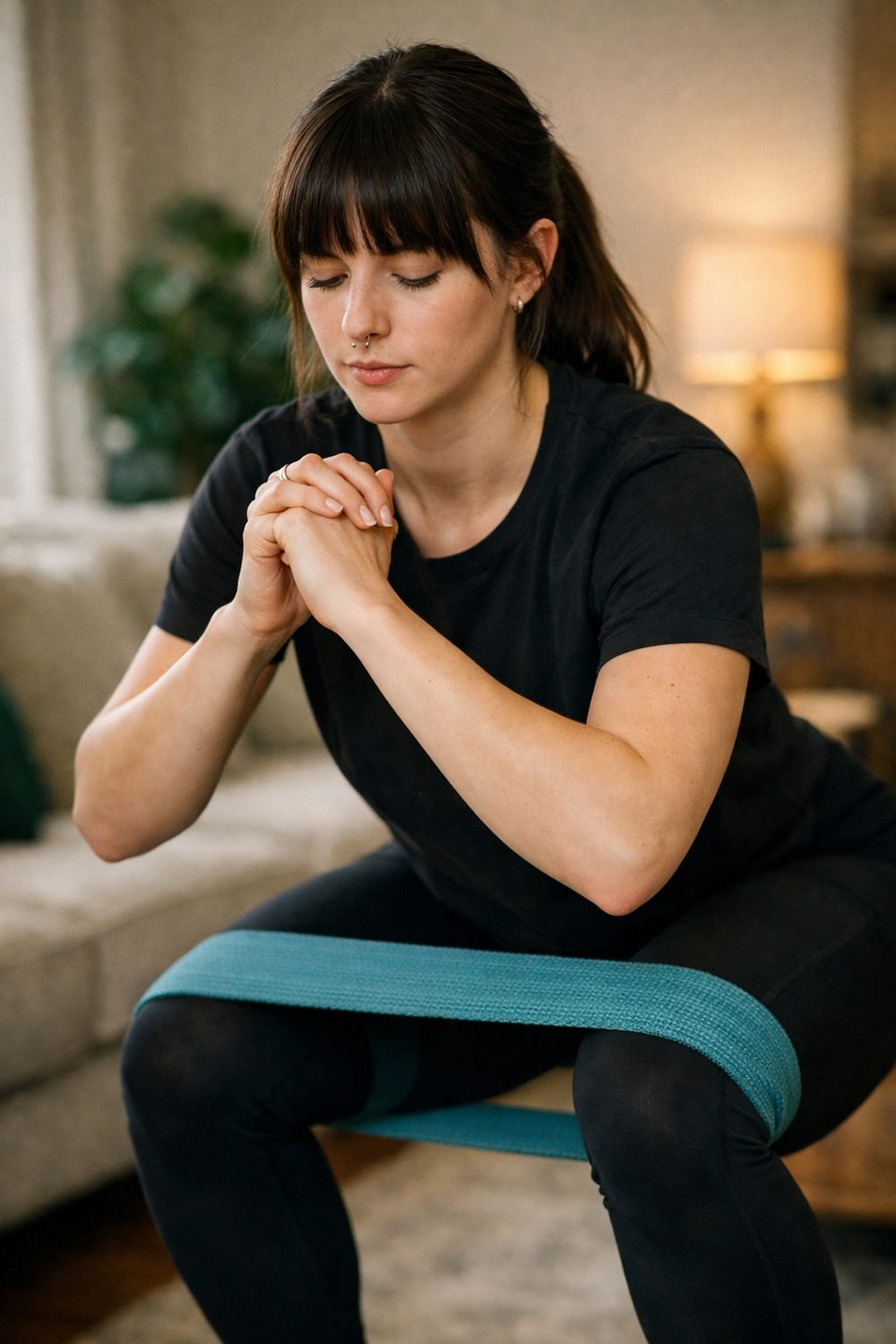
If you're short on space and budget, a set of exercise bands is an easy first purchase, since they cost little and store in a drawer. A few years later, I still use them a few times a week. Plenty of people try them, get bored, and shove them in a drawer for good.
So this isn't a "bands are amazing for everyone" post. Exercise resistance bands are great for some people and a poor fit for others. Below, I'll walk through who I think gets the most out of them and who might be happier spending their money somewhere else.
Short on time? Our top picks: Fit Simplify Resistance Loop Bands, TheraBand, Whatafit Resistance Bands Set and Bodylastics Stackable Tube Bands. See all picks
1. Good Fit: People Who Want Best Exercise Bands for Home Workouts
This is where bands really shine. A set rolls up smaller than a towel. You can do rows, presses, squats, glute work and shoulder exercises in the space between your couch and your coffee table. No clanking plates, and nobody downstairs hears a thing.
The other thing I like is how fast you can switch exercises. With dumbbells, I'm always hunting for the right pair. With bands, I just grab a different color or step farther from the anchor point. Short workouts actually stay short.
Exercise stretch bands also feel different from weights. The pull gets harder as the band stretches, so the top of a movement feels tougher than the bottom. Some people love that. Others find it strange at first. Give it a couple of weeks before you decide.
Practical tip: Buy a door anchor if your set doesn't come with one. It turns a closed door into a cable station and roughly doubles what you can do. Make sure the door opens away from you, so it can't swing open mid-rep.
2. Good Fit: Rehab or Gentle Strength Work (With Professional Advice)
Bands show up a lot in physical therapy, and it makes sense. Light bands let you move a joint with gentle resistance, and you can build up in small steps. My mom used a light loop band, similar to what TheraBand makes, for months after a shoulder problem, following exercises her therapist gave her.
That last part matters. This post isn't medical advice, and it can't say which exercises are right for an injury or condition. If you're recovering from something, ask your doctor or physical therapist which band strength and moves suit you. They may even suggest a specific type.
Practical tip: Start lighter than you think. A band that feels "too easy" for 10 slow reps is usually the right one for controlled rehab work. Bring your bands to your appointment so your therapist can see exactly what you have.
3. Good Fit: Travelers Who Need Exercise Resistance Bands on the Go
Bands pack easily into a carry-on, a gym bag, or even a car glovebox during a week of long work trips. They weigh almost nothing. Hotel gyms can be one sad treadmill and a broken bench, so having your own resistance helps a lot.
You can wrap a long band around a sturdy bed leg or loop it under your feet for rows and curls. A small loop band, like the mini bands from Perform Better, handles leg and hip work on its own. Fifteen minutes in a hotel room beats skipping the whole week, at least for me.
Practical tip: Pack two bands, not the whole set. One medium and one heavy covers most exercises, and you'll actually bring them instead of leaving the bulky bag at home.
If you're planning workouts around trips or hikes, the Workout and Hiking Planner and Checklist Bundle below this post can help you map out what to pack and when to train.
4. Good Fit: Beginners Who Want a Low-Pressure Start
If walking into a busy gym makes you nervous, bands are a gentle way to learn basic strength moves. You can practice squats, rows and presses in your living room, at your own pace, without anyone watching.
They're also forgiving. If you lose form, you just let the band go slack. There's no heavy bar to put back on a rack. That safety cushion makes it easier to try new things.
If you're starting from scratch, you can grab my free 1-Week Beginner Workout Routine Planner Page by joining the email list; it gives you a simple week to follow so you're not guessing.
Practical tip: Pick four or five moves and repeat them for a couple of weeks. Beginners often try a new video every day and never really get better at anything.
5. Skip If: You Want to Lift Heavy
Let's be honest. If your goal is a big squat or deadlift, bands won't get you there alone. Even the heaviest bands top out somewhere, and stacking several gets awkward fast. Measuring progress is fuzzy too. "I stood a bit farther from the door" isn't as clear as adding five pounds to a bar.
Bands can still help heavy lifters as warm-up tools or add-ons. But as the main event? You may be better off putting the money toward adjustable dumbbells, a barbell setup, a gym membership or even an indoor exercise bike.
Practical tip: If you're torn between bands, free weights or an exercise bike for home use, the Home-Gym Equipment Buyer's Guide and Comparison Sheets below this post lay out the options side by side, which makes the choice less of a guessing game.
6. Skip If: Latex Bothers Your Skin
Many bands are made of latex. If you have a latex allergy or sensitive skin, that's a real concern, not a small detail. Some people get itchy red marks on their forearms after a week of using a cheap set and only then think to check the label.
Latex-free exercise stretch bands exist, often made from fabric or other materials. Fabric loop bands, such as those from Fit Simplify, are popular for leg work because they don't roll up your thighs. Check the product page carefully for the material, and if you have a known allergy, ask your doctor what's safe for you.
Practical tip: Don't trust a vague listing. If the seller doesn't clearly state the material, message them or pick a different product.
7. Skip If: You Want That Real Gym Feel
Some people just love the gym. The machines, the sound of weights, the people around you. Bands can't copy that, and neither can a bike exercise machine in your spare room. A cable machine gives you smooth, steady resistance and a clear number on the stack. A band gives you a stretch that changes as you move.
If being around other people is what keeps you showing up, a living room setup might quietly kill your motivation. That's not a failure. It just means your best tool is a membership, not a box of rubber.
Practical tip: Try a few weeks of band workouts before canceling anything. You might find they work well as a backup for busy days rather than a full replacement.
8. Skip (Or Be Careful) If: You Won't Check Your Bands
This one's overlooked. Bands wear out. They get small nicks, dry out, or crack, and a snapping band can sting or hit your face. If you're the type to toss gear in a hot car trunk and forget about it, that's a problem.
It's worth checking your bands every week or two. It takes about thirty seconds. Store them out of direct sunlight and away from sharp edges.
Practical tip: Stretch each band gently and look along its length under good light. Any tears, thin spots or sticky patches? Replace it. They're cheaper than a black eye.
Our top picks
Here are a few well-known band options worth a look, depending on what you plan to do with them. Match the type and material to your goals before you buy.
Fit Simplify Resistance Loop Bands
A popular choice for people who want a simple loop set for home leg, glute and stretching work. Check the material on the product page if latex is a concern for you.
TheraBand
A familiar name in rehab and physical therapy settings, so it suits people following a therapist's plan. Ask your therapist which strength and style they want you to use before ordering.
Whatafit Resistance Bands Set
Suits beginners who want tube-style bands with handles, a door anchor and a carry bag in one package. Check what accessories are actually included in the listing, since sets vary.
Bodylastics Stackable Tube Bands
A good match for people who want tube bands that can be combined for more resistance. Look at the attachment points and clips, and inspect them regularly for wear.
Rogue Fitness Monster Bands
Better suited to lifters who want heavier loop bands for warm-ups, assistance work or adding tension to barbell lifts. These are serious tools, so check the strength rating and your setup before using them.
Perform Better Mini Bands
Handy for travelers and anyone doing hip and glute activation work in small spaces. Compare the available strengths so you pick one that suits your legs.
Gaiam Restore Bands
A friendly option for gentle strength and mobility sessions at home. Check the material and band length to be sure it fits the exercises you have in mind.
Please check current plans and prices on each brand's own site before you buy.
FAQ
Do I need a whole set, or just one band?
For most people, a set of three to five strengths works best because different muscles need different resistance. Your legs will outgrow a light band quickly, while your shoulders might not. If you're only doing rehab work, one or two light bands may be enough.
Loop bands or tube bands with handles: which are the best exercise bands?
Loop bands are great for legs, hips and stretching. Tube bands with handles feel more like a cable machine for presses and rows. Plenty of people end up owning both, but if you can only pick one, think about which exercises you'll do most.
How long do exercise bands last?
It depends on how often you use them, how you store them and the quality of the material. Check yours regularly for cracks or thin spots instead of going by a set timeline. The seller's page may also list care instructions worth following.
Can bands replace weights completely?
For general fitness at home, they can cover a lot. For heavy strength goals, most people will want weights too. It really comes down to what you're training for.
Where to Go From Here
If you read this and thought "yep, that's me" in the first few sections, bands are probably worth trying. If you landed in the skip list, that's useful too, since it saves you a drawer full of unused rubber. Either way, start by grabbing the free 1-Week Beginner Workout Routine Planner Page so you've got a simple plan for your first week. Then take a look at the Home-Gym Equipment Buyer's Guide and Comparison Sheets and the Workout and Hiking Planner and Checklist Bundle below this post if you want a little more help setting things up.
Printables and tools that can help
Home-Gym Equipment Buyer's Guide and Comparison Sheets
A printable guide and comparison sheets to write down what matters to you before you look at any seller...
See detailsWorkout and Hiking Planner and Checklist Bundle
A printable bundle with a 30-day goal page, weekly planner and checklists for beginners in fitness and...
See details