Best Gym Backpack: Pros, Cons and Alternatives
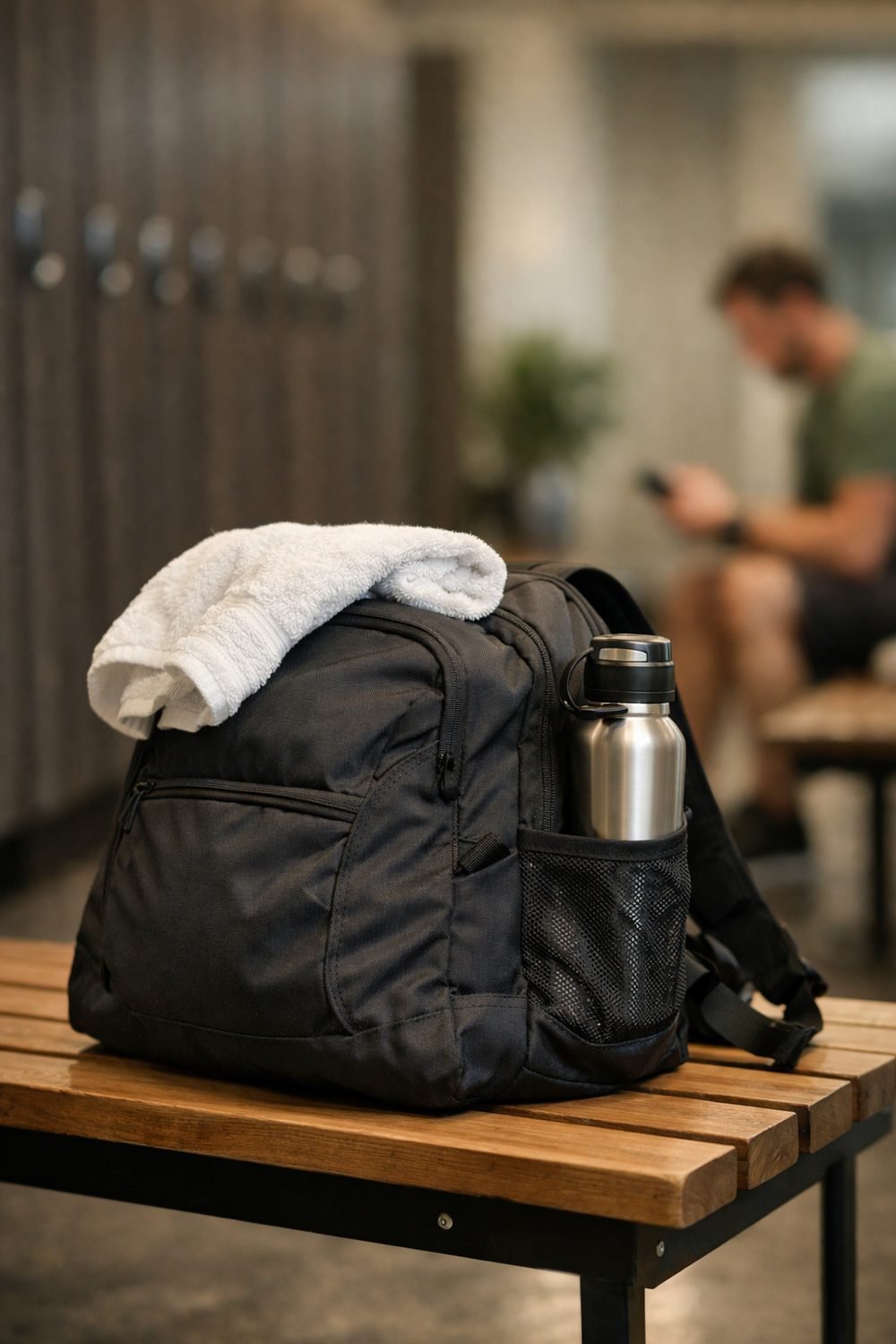
Gym gear can be carried in just about anything. A grocery tote, an old school backpack, a duffel that dug into my shoulder, even a rolling bag for a few months when my back was cranky. Finding the best gym backpack sounds like a small choice until you're carrying it every single day. Then the little annoyances add up fast.
So instead of naming one "best" bag, here's a walk through the main styles you'll come across. You'll get the honest pros and cons of each, plus a tip so you can figure out which one fits your routine. The right pick really depends on how you get to the gym and what you bring.
Short on time? Our top picks: Nike Brasilia Backpack, Adidas Gym Backpacks, Under Armour Undeniable Duffel and Gymshark Gym Bags. See all picks
1. Gym-Specific Backpacks for Men and Women
These are the ones built for workouts on purpose, and a good gym backpack for men or women usually follows the same layout. Most have a separate shoe pocket, often at the bottom, and a lined wet pocket for sweaty clothes or a damp towel. That separation is the big win. Your clean work shirt never touches your gym socks.
The downside? They tend to be bulkier. All those compartments take up space, and some of them look a bit sporty if you're carrying it into an office. A few pockets on a typical gym backpack can go totally unused. The little "key clip" sleeve is easy to skip, since you can just clip your keys to the outside.
Practical tip: Before you buy, check where the shoe pocket is and how big it is. If you wear larger shoes or high-top trainers, they may not fit. The seller's page usually lists the dimensions, so measure your shoes and compare.
2. Everyday Backpacks
You probably already own one. A regular backpack, like an Osprey Daylite, is slim, comfortable, and blends in anywhere. If you only bring a change of clothes and a water bottle, honestly, this might be all you need.
The problem is separation. Everything ends up in one big pocket together. A damp towel can easily soak a phone charger or a paperback, so keep wet items separate. Not fun.
You can fix a lot of this cheaply, though. A couple of drawstring bags or reusable bags, such as a Baggu bag, inside the main pocket go a long way.
Practical tip: Keep one bag just for shoes and one just for sweaty clothes, which is a cheap fix if you skip pricey gear. Then any normal backpack works like a gym bag without buying anything new.
3. Duffel Bags
Duffels are the classic gym bag for a reason. They're roomy, they open wide, and you can see everything at once instead of digging around in the dark. If you bring a lot, like shoes, a towel, a shower kit, a foam roller, and a lunch, a duffel holds it all.
But that one-shoulder carry gets old. If you use a big duffel and walk about fifteen minutes to the gym, your shoulder may feel it by the end of the week. It's fine if you drive and only carry it from the car to the locker room. It's less great if you walk or ride the bus.
Some duffels have backpack straps that tuck away, which helps a lot. That hybrid style is a little underrated.
Practical tip: If you go with a duffel, swap shoulders often and don't overfill it just because you can. A big bag invites you to pack stuff you won't use.
4. Sling Packs
A sling pack sits across your body on one strap. It's light, quick to swing around to the front, and easy to grab things from. One works well for days with a short session when you're already wearing your gym clothes.
The catch is size. Most slings won't fit shoes, and some barely fit a towel. So these work best as a "minimum kit" bag: keys, phone, earbuds, a small towel, maybe a snack.
Practical tip: Make a short list of what you truly need for a quick workout. If it fits in a sling, great. If you're stuffing it every time, you need something bigger.
Quick side note: if you're still figuring out what a normal week looks like, whether at the gym or with at home gym equipment, you can grab our free 1-Week Beginner Workout Routine Planner Page by joining the email list, and it helps you plan what to pack for each day.
5. Rolling Bags
A rolling bag may not seem appealing, but it can be a relief when your lower back is acting up. No weight on your shoulders at all. You just pull it behind you. If you have back or shoulder issues, it's worth asking your doctor or physical therapist what kind of carrying is best for you, since everyone's different.
That said, these are bulky. They don't love stairs, curbs, or crowded locker rooms. Some gyms have small lockers that a rolling bag won't fit in, so I ended up leaving mine on the floor more than once.
Practical tip: Check your gym's locker size before buying one. Also think about your route. Smooth sidewalks and elevators? Fine. Lots of steps? Skip it.
6. Tote Bags
Totes are simple. Open top, toss things in, go. They're easy to clean, easy to fold up, and they look normal everywhere. Lots of people grab one for yoga or a quick class.
The downside is almost no structure. Things slide around, the top is open, and a tote full of gear can get heavy on one shoulder pretty fast. It's not a good choice for heavy shoes or a long walk.
Practical tip: Look for a tote with a zipper top or at least one inside pocket. It keeps your phone and keys from vanishing to the bottom under a pile of clothes.
7. Bonus: A Two-Bag Setup
This one isn't a single bag, but it's a setup many people end up preferring. You can keep a small "stays in the car" bag with spare socks, deodorant, and a towel. Then carry a slim backpack with just the stuff you use daily.
It means I'm not hauling everything every time. It also means I'm never stuck without socks, whether I'm at the gym or setting up gym mats for home, which happened to me way more often than I'd like to admit.
Practical tip: Restock the backup bag on the same day each week. Pick a day that's easy to remember, like Sunday, so it becomes a habit.
How to Pick the Best Gym Backpack for You
Start with how you get there. Driving gives you more freedom to pick a big bag. Walking, biking, or taking transit means two straps on your back usually win.
Next, look at what you actually carry. Not what you think you might carry someday. Lay it all out on the floor once. You might find you're lugging around stuff you never touch.
And if you like tracking your workouts, it helps to know what kind of training you're doing each day. Cardio days usually need less gear than lifting days, and the same goes for home workouts with weights for a home gym. If you want help with that, the Cardio Corner Planning Spreadsheet Toolkit and My Home Workout Journal are both below this post. They're simple tools, nothing fancy, and some readers use them to plan ahead with the best home workout equipment they already own.
Gym Bags Worth a Look
Here are some well-known bags that cover the styles above, so you have a few real places to start. Treat them as starting points.
Nike Brasilia Backpack
Suits anyone who wants a simple, sporty backpack for gym clothes and a water bottle. Check the compartment layout, since you may need your own bag for shoes or wet clothes.
Adidas Gym Backpacks
A good fit if you like a casual look that works for the gym and daily errands. Look at the pocket setup and strap padding before choosing a size.
Under Armour Undeniable Duffel
Works for people who drive to the gym and carry a lot of gear. Check whether the model you pick has backpack straps if you walk any distance.
Gymshark Gym Bags
Suits shoppers who want a training-focused look in a duffel or backpack. Check the shoe and wet storage options, because they differ from one bag to the next.
Osprey Daylite Pack
A solid pick for walkers and bike commuters who want a comfortable everyday pack that can double for the gym. Pair it with a separate shoe bag, since it is not built around gym storage.
Lululemon Everywhere Belt Bag
Fits the minimum-kit crowd who only carry keys, phone and earbuds. Check that your phone fits comfortably before you commit, as sizes vary.
Baggu Standard Reusable Bag
Handy as a simple, washable bag for shoes or sweaty clothes inside a regular backpack. It is lightweight and unstructured, so it will not protect anything fragile.
Please check current plans and prices on each brand's own site before you buy.
FAQ
Do I really need a separate shoe compartment?
Not always. If you change shoes at the gym, it's nice, but a plain drawstring bag does the same job. It mostly comes down to whether you want everything built in or don't mind a little DIY.
How do I stop my gym bag from smelling?
Take wet clothes out as soon as you get home, and leave the bag open to air out. Wipe the inside now and then, and check the seller's care instructions before washing it in a machine.
Is a gym backpack better than a duffel?
For walking or commuting, I think a backpack is easier on your body because the weight is spread across both shoulders. A duffel is great if you drive and want lots of space. Neither is "better" for everyone.
What size gym bag should I get?
Lay out your usual gear and see how much space it takes. Pick something that fits it with a little room to spare, but not so big that you're tempted to overpack.
Your Next Step
Think about your commute, lay out your gear, and pick the style that fits your real routine, not the fanciest one. If you're just getting started, sign up for the free 1-Week Beginner Workout Routine Planner Page so you know what each gym day looks like. Then take a look at the products below this post if you want a little more help planning your workouts.
Printables and tools that can help
Cardio Corner Planning Spreadsheet Toolkit
A spreadsheet with a summary page and a calculator sheet. Works in Excel and Google...
See details