Best Gym Bags: How to Pick the Right One
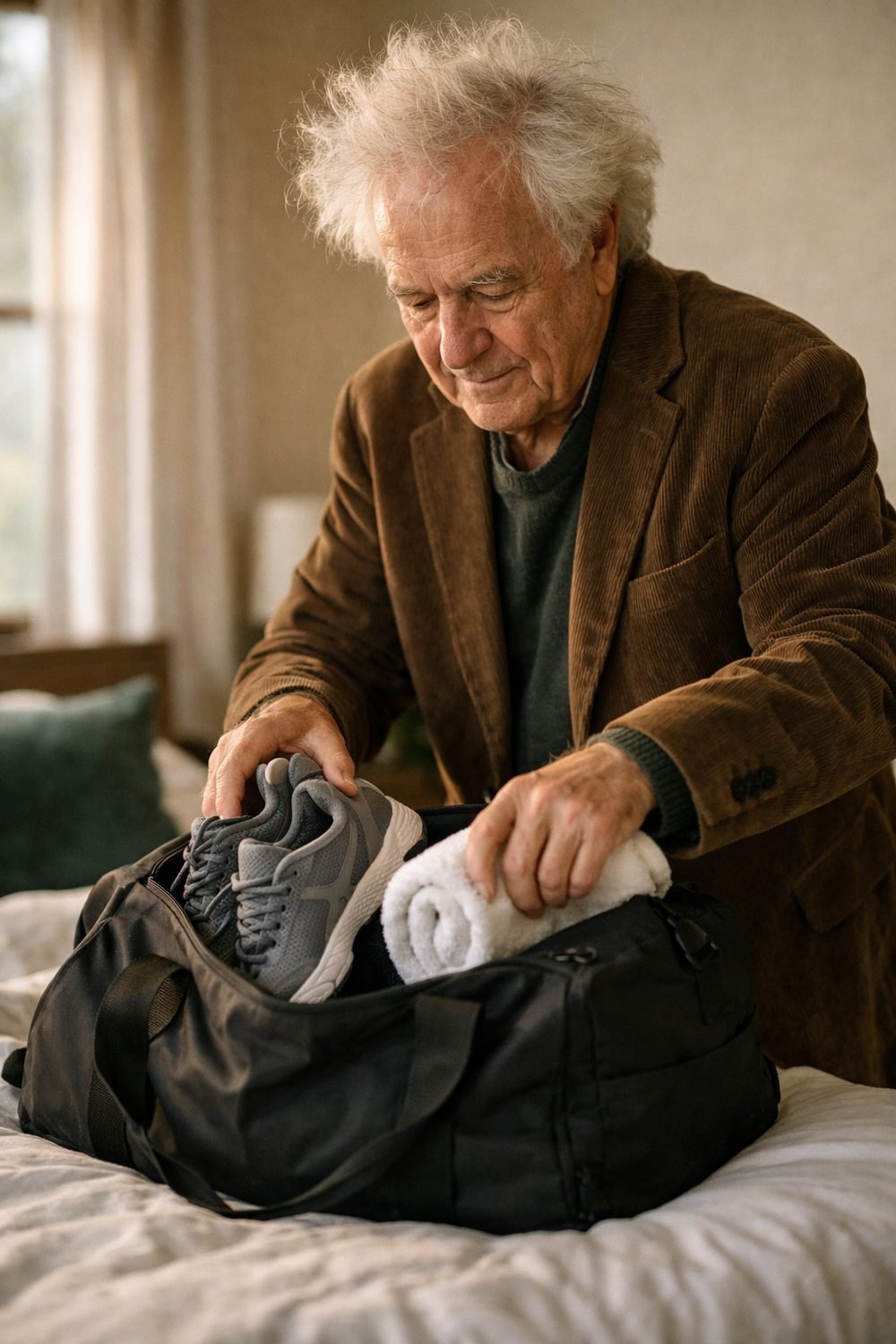
It is easy to go through several gym bags before figuring out what the best gym bags actually need to do. The first was huge and mostly empty. The second was cute but had no spot for shoes, so my clean shirt always smelled like sneakers. The third one I still use, and it isn't fancy at all. It just fits how I train.
That's the whole secret, really. Gym bags come in all sizes and styles, and the best gym bags for men and women are the ones that match your routine. This guide walks you through picking one step by step, so you don't end up with a closet full of bags you don't use.
Short on time? Our top picks: Nike Brasilia Duffel, Adidas Duffel Bags, Under Armour Undeniable Duffle and Lululemon Gym Bags. See all picks
What You Need to Pick the Best Gym Bags
Before you start shopping, grab these. It takes about ten minutes.
- Everything you normally take to the gym (shoes, water bottle, towel, clothes, headphones, lock, snacks)
- A tape measure, or just a ruler
- Your locker size, if your gym has lockers (measure it next time you're there or ask the front desk)
- A rough idea of how you get to the gym: walking, biking, driving, or straight from work
- A note on your phone to jot down what matters to you
Step 1: Lay Out Your Gear and Pick a Size
Put everything you carry on the floor or your bed. All of it. Don't skip the stuff you only bring sometimes, like a foam roller, a yoga mat, or a change of clothes for after work.
Now look at the pile. Is it small enough to fit in a backpack? Or do you need a full duffel? Most people fall into one of these groups:
- Light carriers: water bottle, headphones, towel, keys. A small backpack or sling works fine.
- Middle of the road: add shoes and a change of clothes. A medium duffel or a larger backpack, or a bag with a side sleeve for yoga mats.
- Heavy carriers: lifting shoes, belt, wraps, shower stuff, work clothes. You'll want a big duffel with real structure.
Seller pages usually list a bag's size in liters or in inches. Use your tape measure to check if your shoes and bottle will actually fit. Photos can fool you, because bags always look bigger when they're stuffed with paper for the shoot.
Tip: If you use a gym locker, measure it before you buy. A bag that is a few inches too long can be a hassle, since you may have to cram it in sideways every single time. Annoying in a way that adds up.
Step 2: Decide How Many Compartments Your Gym Bag Needs
This is where a lot of bags go wrong in one of two directions. Some cute gym bags have one big open space where everything gets tossed together. Others have so many tiny pockets you forget where you put your keys.
Think about what needs to stay apart. For most people that's:
- Shoes, including gym shoes for women and men (so dirt and smell stay away from clothes)
- Wet or sweaty things after a workout or swim
- Small stuff you grab often, like your phone, card, and earbuds
A separate shoe pocket is the one feature I'd say most people should look for. A lined wet pocket is worth it if you shower at the gym, swim, or go straight to work after. If you don't do any of that, you can skip it.
Laptop sleeves are nice if you go to the gym before or after work, and backpacks from brands like Osprey often offer them. But they make the bag stiffer and heavier, so don't pay for one you won't use.
Tip: Count the pockets you'd actually use. If the bag has eight and you'd use three, it's probably more bag than you need.
Step 3: Check the Straps and How You'll Carry It
How you get to the gym matters more than people think. If you drive and park close, you can carry almost anything for a minute. If you walk fifteen minutes or ride a bike, comfort becomes a big deal.
Here's what to look at:
- Padded shoulder strap: Thin straps dig in fast when the bag is heavy. Look for padding where it sits on your shoulder.
- Handles: Short handles that wrap together are handy for grabbing the bag in and out of a car.
- Backpack straps: If you walk or bike, two straps spread the weight better, which is where a backpack from a brand like Osprey can make sense. Some duffels convert to backpacks, which is a nice middle ground.
- Clips and hardware: Check that the strap attaches with something that looks sturdy, not a thin plastic clip.
Honestly, I think convertible duffels are a bit overrated. The backpack straps often feel like an afterthought, and the bag hangs awkwardly. If you'll mostly wear it on your back, just get a real backpack.
Tip: If you can, try the bag in a store with your own stuff inside. An empty bag always feels comfortable. A loaded one tells the truth.
By the way, if you're still building your gym habit, you can grab our free 1-Week Beginner Workout Routine Planner Page by joining the email list.
Step 4: Read the Materials List
Don't trust words like "premium" or "tough" on a product page. Look for the actual materials list instead. Most sellers share what the outside, the lining, and the zippers are made of.
A few things to think about as you read:
- Does it say the outside is water resistant? Good if you walk or bike in the rain.
- Is the bottom reinforced? Gym floors and car trunks are rough on bags.
- Is the inside lined? A smooth lining is easier to wipe out.
- What are the zippers like? Zippers are usually the first thing to fail, so check them closely before you buy.
If the materials aren't listed at all, I'd take that as a small red flag. You can always message the seller and ask. A decent seller will answer.
Tip: Read a few reviews that mention how the bag holds up after months, not days. Early reviews mostly talk about looks. Later ones talk about seams and zippers.
Step 5: Think About Cleaning Before You Buy
Gym bags get gross. There's no way around it. Sweaty clothes, damp towels, shoes that have been who knows where. So before you buy, check how you're supposed to clean the bag.
Some bags can be wiped down with a damp cloth. Some can be hand washed. A few say they can go in the washing machine. The seller's care instructions will tell you, so look for them on the product page or the tag once it arrives.
A bag you can actually clean will last longer and smell better. A bag you can't clean easily is going to end up in the trash sooner than you'd like.
Personally, I empty mine as soon as I get home and leave it open overnight. It sounds simple, but it makes a huge difference. Zipping up a damp towel inside is how bags start to smell for good.
Tip: Keep a reusable cloth bag or two inside for sweaty clothes. It's cheaper than a bag with a fancy wet pocket, and you can toss it in the wash with your laundry.
Step 6: Check the Return Terms
This step gets skipped all the time. Then the bag shows up, it's smaller than you pictured, and you find out returns aren't allowed or cost a lot to ship back.
Before you click buy, look at the seller's return policy. Check things like:
- How many days you have to return it
- Whether you pay for return shipping
- If the bag has to be unused, with tags still on
- Whether there's any warranty for broken zippers or straps
When the bag arrives, pack it with your real gear right away, before you take it to the gym. That way you can still return it if it doesn't work.
Tip: Take a screenshot of the return policy on the day you buy. Policies change, and it's nice to have a record.
Step 7: Match the Bag to Your Plan
This last one is a little different. A gym bag works best when you actually know what you're doing each day. If Monday is cardio and Thursday is legs, you might pack different things. Knowing that ahead of time helps you pick a bag that fits your real week, not some imaginary one.
Keep a simple plan of your workouts, and pack the bag the night before based on it. If you like tracking that kind of thing, the Cardio Corner Planning Spreadsheet Toolkit and My Home Workout Journal are both below this post. The journal is nice for home days with a gym bench or other home equipment, when you don't need a bag at all.
Tip: Pack your bag at night and leave it by the door. It's one less excuse in the morning.
Troubleshooting
My bag smells even after I clean it
Make sure it dries all the way, with the zippers open, before you pack it again. Take shoes out when you get home instead of storing them in the bag. If the smell won't go away, check the care instructions to see if a deeper wash is allowed.
The strap hurts my shoulder
You might be carrying more than the bag was meant for. Try removing anything you don't use every visit. If it still hurts, a backpack style may suit you better than a single strap.
Everything ends up in a jumbled mess
Use small pouches for little things like earbuds, hair ties, and chargers. Give each item a "home" pocket and stick to it. It takes a week or so before it feels normal.
The zipper keeps getting stuck
Don't overstuff the bag. Zippers strain when they're pulling against too much stuff. If one breaks early, check the seller's warranty or return terms.
Gym Bags Worth a Look
If you'd rather start from a few real options than scroll endlessly, these are well-known brands that make gym bags. Use the steps above to decide which style fits your routine.
Nike Brasilia Duffel
A familiar, simple duffel line that suits people who want a no-fuss bag for everyday training. Check the size options against your locker and your shoes before picking one.
Adidas Duffel Bags
Suits people who like a classic sports look and want a range of sizes to choose from. Check whether the model you like has a separate shoe pocket, since not all do.
Under Armour Undeniable Duffle
A good fit for people who carry a fair amount of gear to the gym. Look at the materials list and the strap padding to see if it will feel comfortable when loaded.
Lululemon Gym Bags
Suits people who want a bag that can go from the gym to work or errands. Check the care instructions and return terms before buying.
Gymshark Bags
Worth a look if you want a training-focused backpack or duffel with a modern style. Check the compartment layout to make sure it keeps shoes apart from clothes.
Osprey Daylite Packs
A good pick for people who walk or bike to the gym and want a real backpack instead of a convertible duffel. Check the pack's size and how it carries when loaded with shoes.
Patagonia Duffel Bags
Suits people who want a rugged bag for gym trips and travel. Check the size and weight, since tougher bags can feel heavy even when empty.
Check current plans and prices on each brand's own site before you buy.
FAQ
Is a backpack or a duffel better for the gym?
It depends on how you get there and how much you carry. Backpacks are easier for walking or biking. Duffels hold more and are easier to dig through.
Do I really need a separate shoe compartment?
If you carry shoes, I'd say yes. It keeps dirt and smell away from your clothes. If you wear your gym shoes there, you can skip it.
How big should a gym bag be?
Big enough to fit your usual gear without cramming, and small enough for your locker if you use one. Lay out your stuff and measure before you shop. That beats guessing from photos.
How often should I clean my gym bag?
Empty it after every workout and let it air out. Give it a proper clean whenever it starts to smell or look dirty. Follow the seller's care instructions so you don't damage it.
Your Next Step
Start by laying out your gear tonight. Seriously, that one step will tell you more than any product page. Then, if you want help planning the workouts that go with your new bag, join the email list for the free 1-Week Beginner Workout Routine Planner Page. After that, take a look at the Cardio Corner Planning Spreadsheet Toolkit and My Home Workout Journal below this post if they sound useful to you.
Printables and tools that can help
Cardio Corner Planning Spreadsheet Toolkit
A spreadsheet with a summary page and a calculator sheet. Works in Excel and Google...
See details